
Find Your Sound with the PRS Amplifiers Buyer's Guide
15 Jun 2026
*A pdf of this Buyer's Guide is available for download here
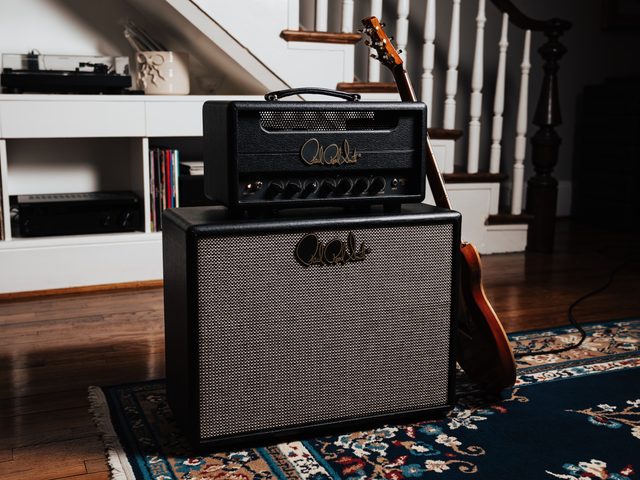
Whether you’re chasing vintage-inspired cleans, edge-of-breakup dynamics, or modern high-gain saturation, PRS amplifiers are designed to deliver inspiring tone and exceptional responsiveness. This guide will help you understand the PRS amplifier lineup and choose the amp that fits your playing style, musical goals, and environment.
What Sets PRS Amplifiers Apart?
- MUSICAL RESPONSIVENESS: Designed to feel dynamic and touch-sensitive in the way only a tube amp can.
- USABLE TONE: Amps built to sound great in real-world playing situations from the recording studio to small clubs to arenas.
- PEDAL COMPATIBILITY: Many PRS amps are designed to work exceptionally well with pedals.
- RELIABILITY & BUILD QUALITY: Roadworthy construction with premium components.
- DESIGNED BY PLAYERS: Built to serve the needs of gigging musicians, recording artists, and tone enthusiasts
Who Are These Amps For?
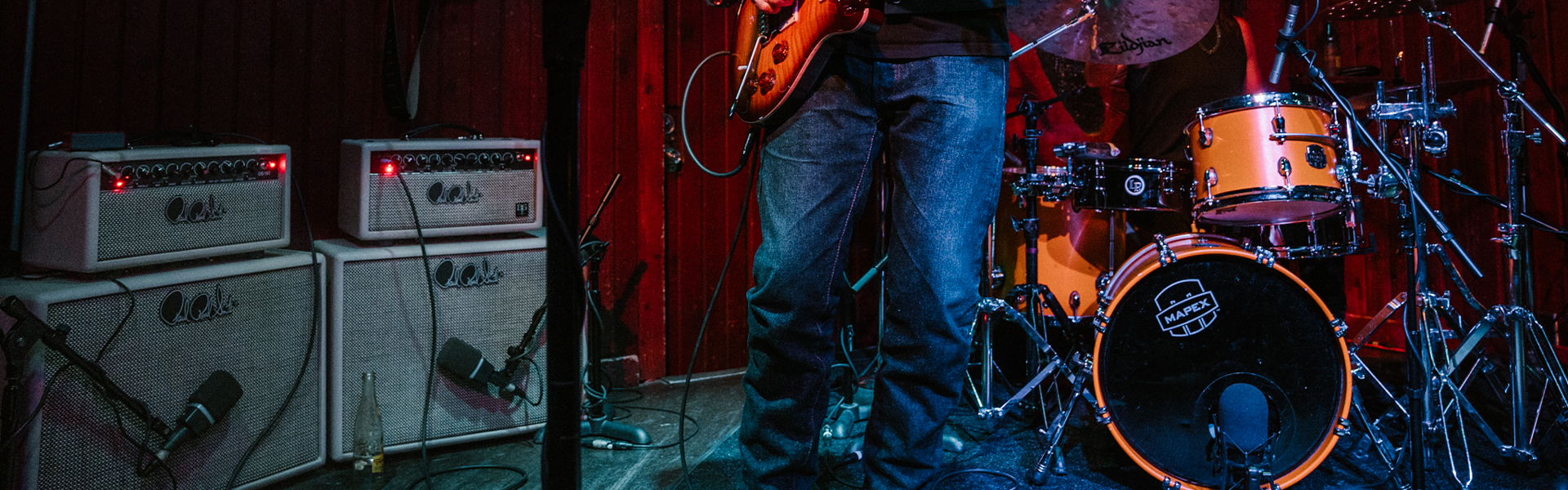
- Gigging musicians and home/studio players
- Vintage tone lovers and modern high-gain players
- Guitarists who value feel and dynamics
- Players seeking inspiring tube tone
Understanding the PRS Amp Lineup
HDRX SERIES
Vintage-Inspired Edge-of-Breakup
Based on one of Jimi Hendrix’s Woodstock amps
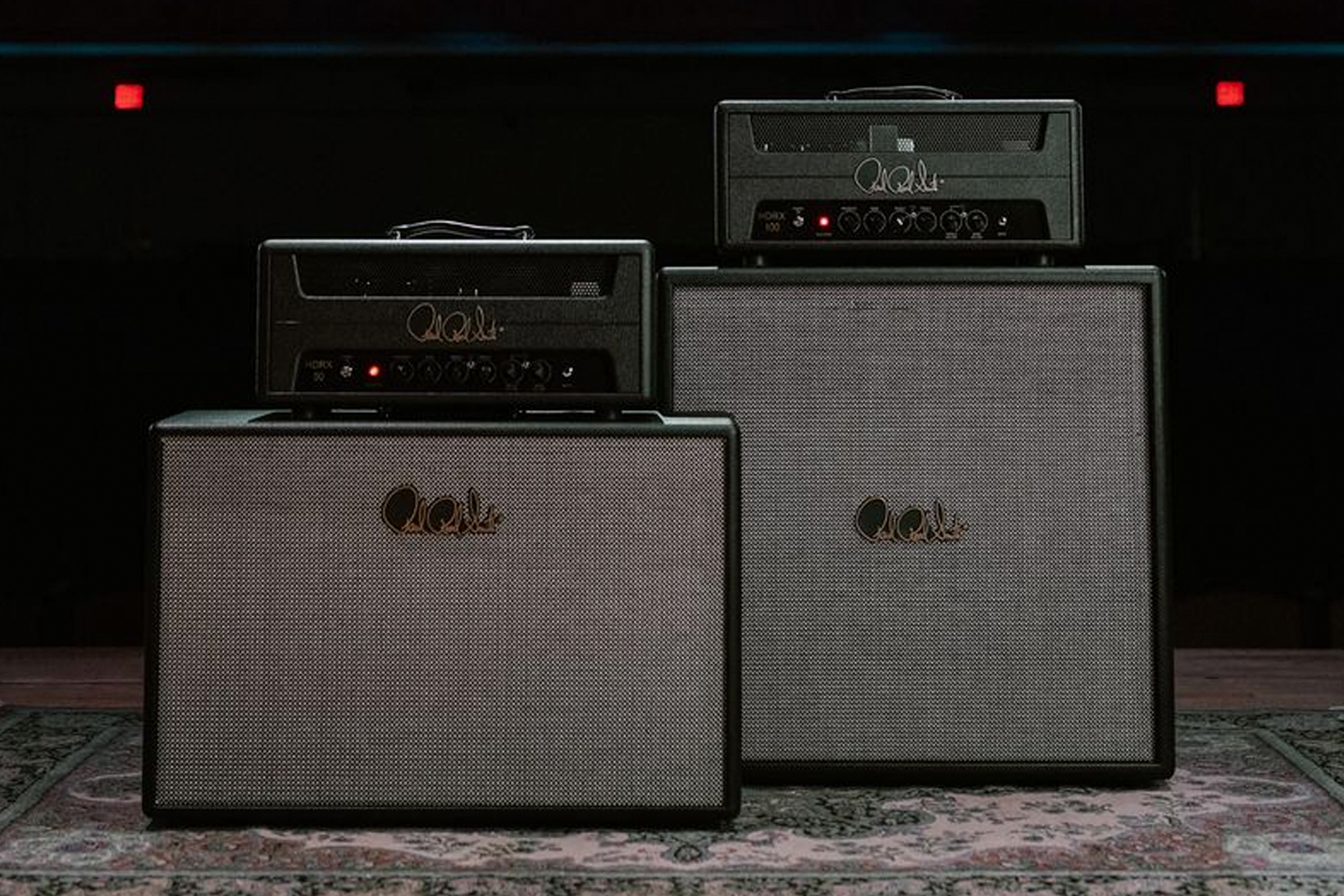
Inspired by late-60s British-style amp tones. Great for players chasing vintage-inspired amp feel with modern reliability. Available in 20, 50, and 100 watt models.
Best for:
- Classic Rock
- Blues
- Dynamic players
- Pedal platforms
Key traits:
- Big, open response
- Articulate breakup
- Powerful feel

DGT 15 & DG CUSTOM 30
Dynamic Clean-to-Crunchy Versatility
Designed with David Grissom
Great for players looking for the attack and touch-sensitivity of a vintage EL-84 amp but with the modern features and reliability that comes with a PRS. The DGT 15 and DG Custom 30 provides an excellent clean platform, perfect for anything from jazzy tones to roots-y chime, as well as an outstanding overdrive suitable for rock or aggressive blues. It also features a gorgeous tube-driven spring reverb and tremolo, adding an extra dimension and sonic possibilities.
Best for:
- Session players
- Americana
- Roots rock
- Using volume knob dynamics
Key traits:
- Rich cleans
- Responsive overdrive
- Exceptional touch sensitivity
ARCHON & MT SERIES
Modern High Gain
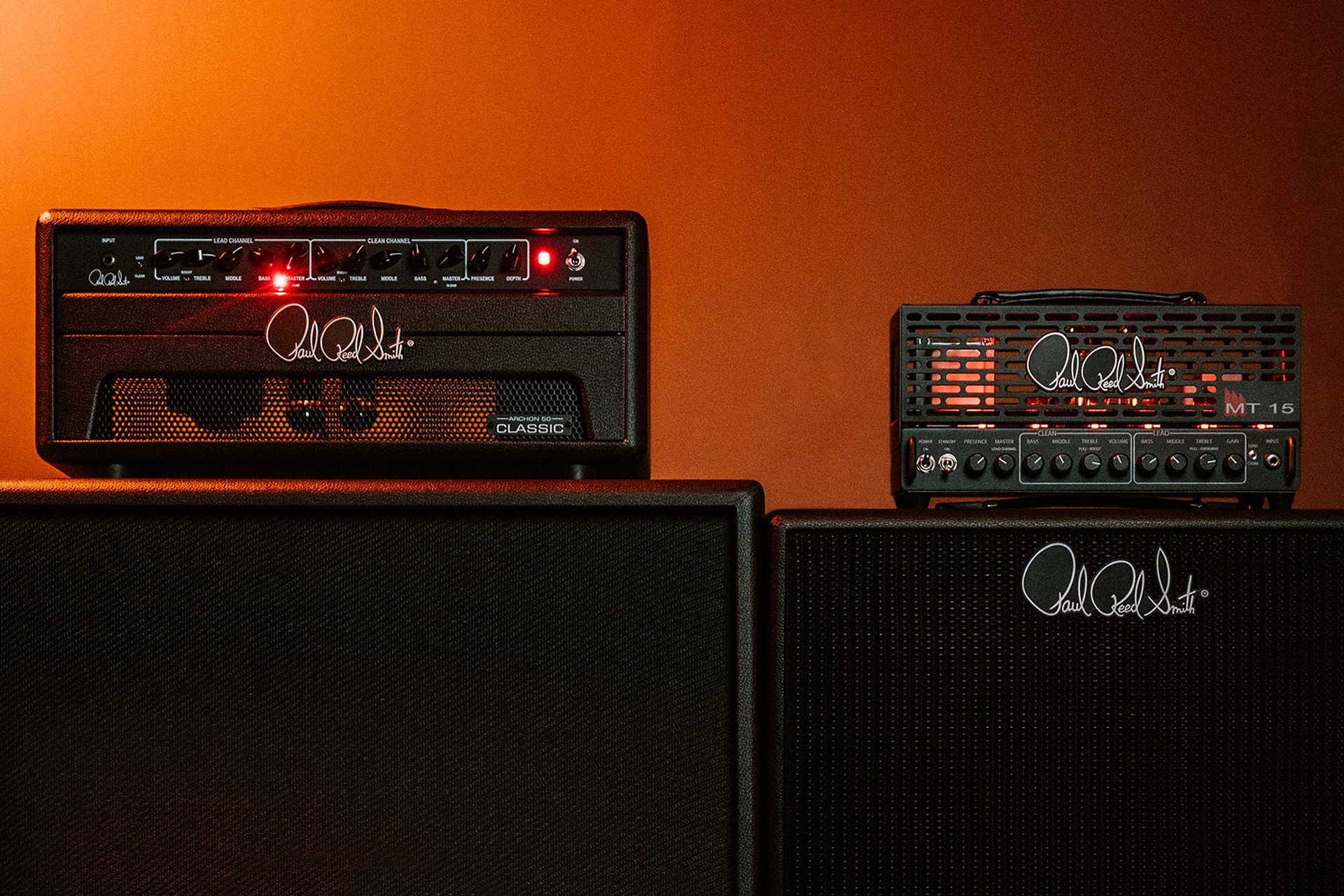
High-gain amps with clarity and precision
Great for players looking for gain and aggression without losing definition and musicality. The Archon and MT both have mountains of crushing, brutal gain while maintaining the underlying character of the guitar. Both models also feature a surprisingly high-headroom clean channel, providing excellent depth and dimension (as well as a great pedal platform).
Best for:
- Hard Rock
- Metal
- Progressive Styles
Key traits:
- Tight low end
- Saturated gain
- Clear articulation
- Suprisingly strong clean channel

SONZERA
American Vintage
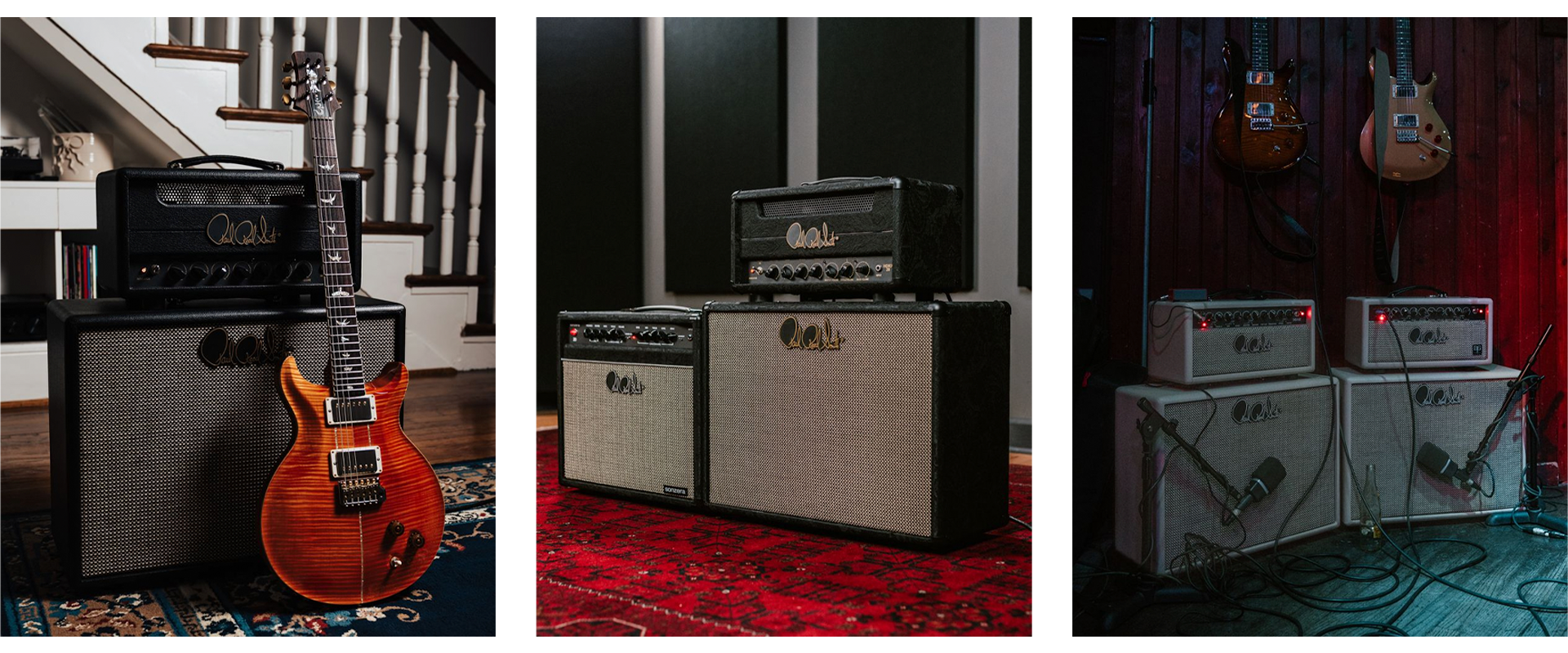
The Sonzera is the underrated gem of the PRS amp lineup, providing a touch-sensitive, three-dimensional tone that punches way above its physical size (and price range). Not only is the Sonzera a world class clean amp, it also features an outstanding drive channel that can go from lightly overdriven cleans to huge, blooming saturation. If you’re new to PRS amps this is a great place to start!
Great for players seeking versatile tube amp tone with intuitive controls and exceptional pedal compatibility.
Best for:
- Blues
- Rock
- Country
- Worship
Key traits:
- Full, articulate clean channel
- Smooth, expressive overdrive
- Pedal-friendly design
- Versatile two-channel layout
How to Choose the Right PRS Amplifier?
Where Do You Play?
HOME // Where volume control is typically of high importance, we suggest considering the Sonzera 20, HDRX 20, DGT 15, or MT 15 depending on your tonal preferences.
STUDIO // Where a great tone foundation and versatility are of high importance, we suggest considering the Archon Classic, DGT 15, or the DG Custom 30.
STAGE // Where stage presence, power, and clarity are of high importance, we suggest the HDRX 50 and 100, DG Custom 30, MT 100, or the Archon 50 and Classic depending on your tonal preferences.
Understanding Wattage
It’s a common misconception, but 100 watts is not twice as loud as 50 watts. In fact, wattage is about feel, not just about volume. Wattage also changes headroom, dynamic response, low-end, how quickly an amp compresses and distorts.
HEADROOM VS BREAKUP
Lower watt amps break up earlier (at lower volume), compress more, and are easier to push to saturation. Higher watt amps stay clean longer, maintain tighter low end, and give more punch and authority.
HOW WATTAGE AFFECTS TONE
Lower wattage often feels softer, more compressed, more forgiving. Higher wattage often feels faster, tighter, punchier, more immediate. They maintain a tighter bass response and clearer note separation at high volumes, which can be important for drop-tuning and larger stages.
HOW MODERN AMPS HAVE CHANGED OLD WATTAGE RULES
In the early years of guitar amps players didn’t have the luxury of a master volume or attenuator, so the only way to get the most out of your amp was to turn it up. Thankfully for the sake of our ears (and angry neighbors) we now have the technology to bring down the overall volume of our amps while maintaining that magical tube character that we all know and love. Features like wattage attenuation (as found in the MT 15) and master volume controls (as in the HDRX 20) allow players to push classic circuits into overdrive at usable volumes. Since even small venues are mic-ing amps these days overall wattage is not as critical, and having an amp that can be pushed at a lower volume means your mic’d sound will be fuller and more harmonically pleasant.
COMMON USES FOR DIFFERENT WATTAGES
1-15 watts: Home use, recording, small rehearsals 15-30 watts: small gigs, studio 40-50 watts: loud, full-band gigs, larger stages 50-100 watts: maximum clean headroom and stage authority

FAQs
Which PRS amp is best for Rock? Metal? Blues?
This is a great question, and the answer is that it depends on the player! For example the Archon is geared towards modern metal and hard rock, however the clean channel has been adopted by country and lap steel players because of its high headroom. The Sonzera has a great vintage-style clean but the drive channel is sought after for its huge, musical saturation. The best thing you can do is try them out and see which one suits your personal style best.
How many watts do I need for gigging?
Because most venues are using mics on guitar amps, having a loud amp is not as much of a concern as it used to be. These days even a 1-5 watt amp could be perfectly usable in a gigging situation. If you’re not able to use a mic then your wattage needs will depend on the venue, but a good rule of thumb would be to have something at least loud enough to play over a drummer. In that situation 20-50 watts would generally be a minimum requirement, higher if you want to maintain clean headroom.
What is the best PRS amp for home use?
The two most popular PRS amps for home use are the Sonzera and the Archon combo, but again it depends on your style. The Sonzera provides a great clean, a great drive, and a classic spring reverb all in a small 12” combo. The Archon is a 50w powerhouse with a muscular drive channel and high-headroom cleans. The DGT 15 combo is also great for home use, offering an outstanding clean channel, spring reverb, and tube-driven tremolo.
Are PRS amps good pedal platforms?
In short, definitely! The Sonzera is an incredible pedal platform, although at 20watts you may want something with more headroom depending on the application. In that case the clean channel of the Archon, Archon Classic, MT 15, and MT 100 provide tons of clean headroom, perfect for those looking for a solid pedal platform.
Are PRS amplifiers made in the USA?
PRS does make a handful of flagship amps in our Maryland facility (HDRX100, HDRX50, DG30), with the rest of our amps being made by our excellent partners at Cor-Tek.
How are tube amps different than solid-state amps?
The answer to this question could fill a whole book, however at its most basic level a solid-state amp amplifies a signal using a series of transistors where a tube amp accomplishes that through the use of vacuum tubes. Solid state amps have gotten better and better over the years, though fundamentally transistors will go into hard clipping when overdriven (which is typically an undesirable, harsh distortion) whereas vacuum tubes have a gradual, non-linear saturation (which results in a very pleasant compression and drive). That doesn’t mean every solid state amp will sound bad, or that every tube amp will sound good, but in general tube amps are more desirable for guitar.
Can I play tube amps at low volume?
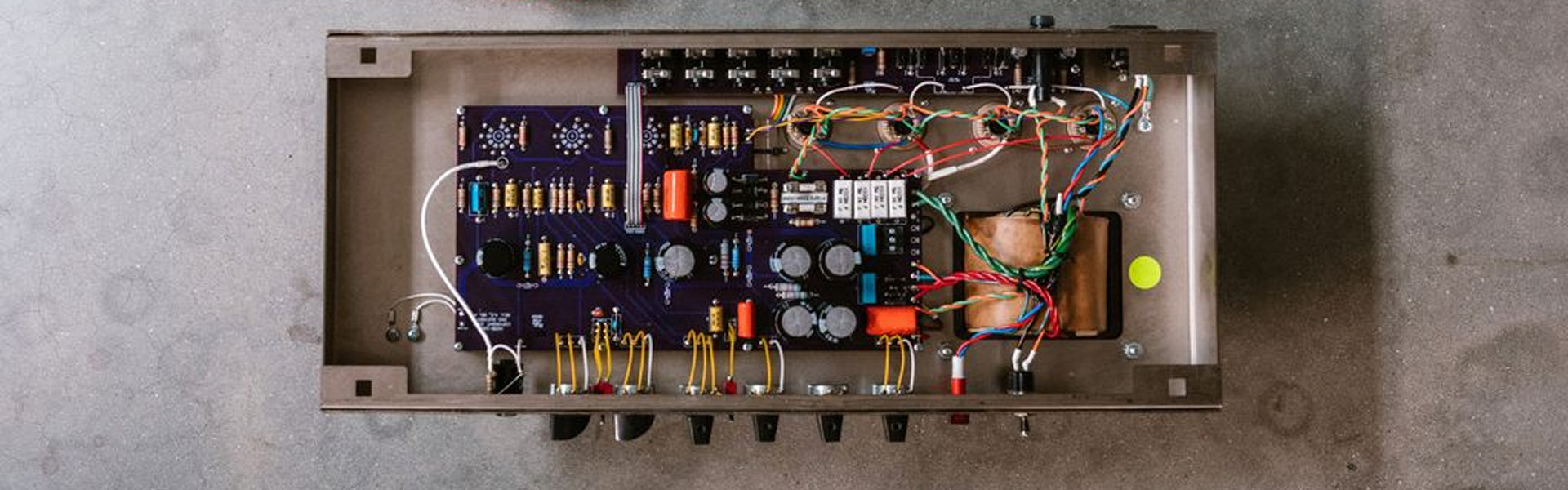
Some modern tube amps have a master volume that allows the preamp section to be pushed into distortion, and some have wattage selection or attenuation that allows the whole circuit (preamp and power section) to be driven at low volume. The potential downside of a master volume is that you lose the character (touch sensitive drive and compression) that comes from pushing the power section. Using wattage selection or attenuation will typically provide a fuller and more usable sound, and modern attenuators often allow for silent amplification and cab simulation that can be used for recording or sending through headphones (or a PA). Just keep in mind that speakers and cabinets contribute to the sound as well, so the best experience you can have with a tube amp is to turn it up!
What is a standby switch for?
In a practical sense a standby switch is used to mute an amplifier while it’s on, typically so the tubes can “warm up” (or stay warmed up during a break). This is a feature that goes back to the early days of amplification, and instead of muting the audio signal it keeps high voltage (typically in the hundreds of watts) from reaching the power section to avoid damage through voltage spikes when the amp is first turned on. In modern circuits this is not really a necessary feature, although some amps keep it as a matter of convenience (or tradition).
Is tube amp maintenance hard? How often will I have to change tubes?
This is hard to predict and will vary depending on the amp, the type and quality of the tube, and overall use. An amp that is used lightly and infrequently will usually require less maintenance than one that is used often and pushed to its limits. Preamp tubes can be swapped out one at a time by the user without any additional tweaking as long as they’re the same type (typically 12AX7’s in modern amps). Power tubes will typically need to be replaced in pairs and often require the amp to be re-biased after installation, although that will depend on whether your amp has a cathode or fixed bias. If you’re unsure about power tube replacement it’s advised to have an amp tech perform that service. It should be noted that amplifiers operate at high voltage and certain components can be dangerous or even lethal if handled incorrectly, so any maintenance beyond basic tube replacement should be handled by an experienced technician.