
Artists
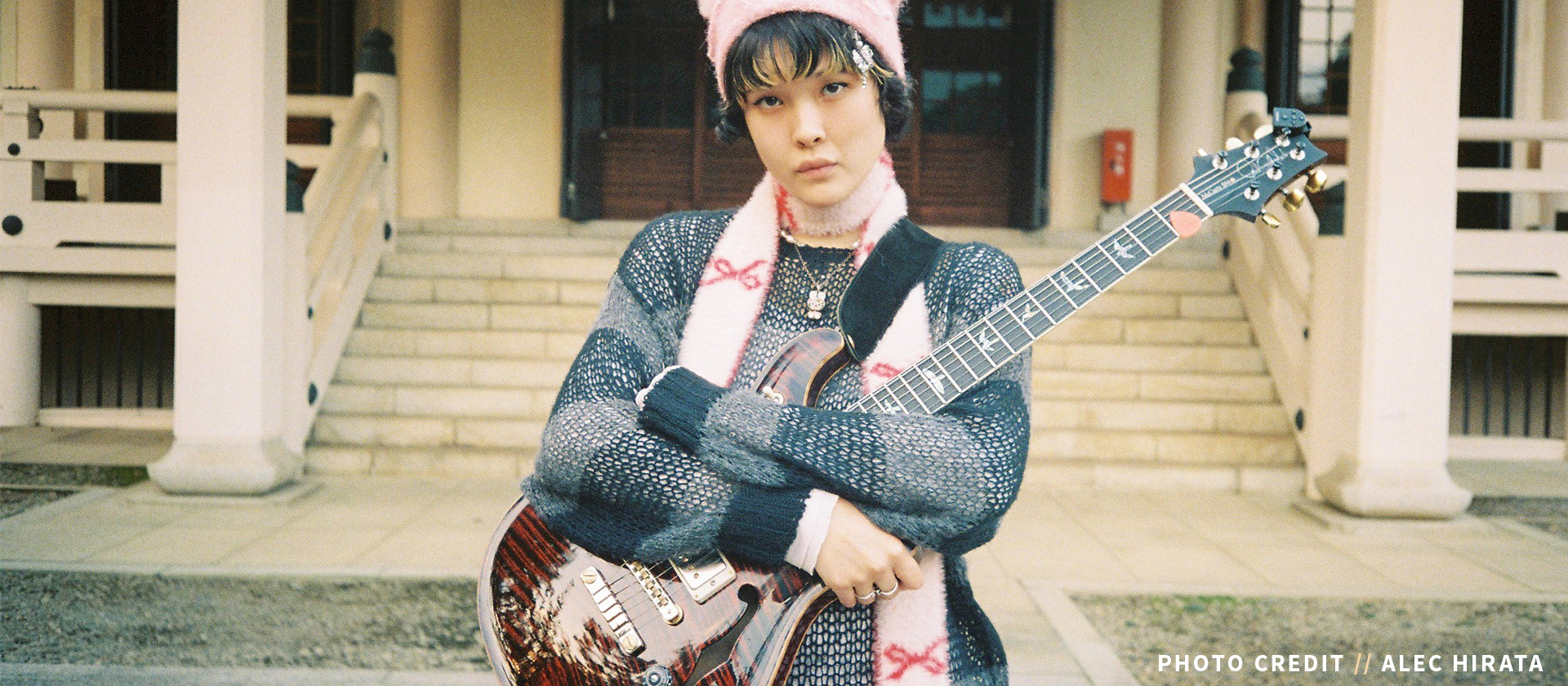
Mei Semones
Brooklyn-based songwriter and guitarist Mei Semones has been steadily carving out one of the more unique voices in indie music right now. A Berklee College of Music graduate with roots in jazz guitar, Mei pairs intricate harmony with soft, emotionally direct songwriting. Her single “Kabutomushi” introduced many listeners to a sound that moves easily between indie rock, bossa nova, and chamber pop; intimate, detailed, and entirely her own.
Mei grew up studying both classical and jazz guitar, influences that still shape the way she arranges and writes. You can hear it in the chord choices and arrangements that sit just beneath her vocal delivery; complex but never distracting. Whether she’s performing with a full band or keeping things stripped back, Mei brings a subtle confidence and depth that continues to pull new listeners in.
Check out our Q&A with Mei below.
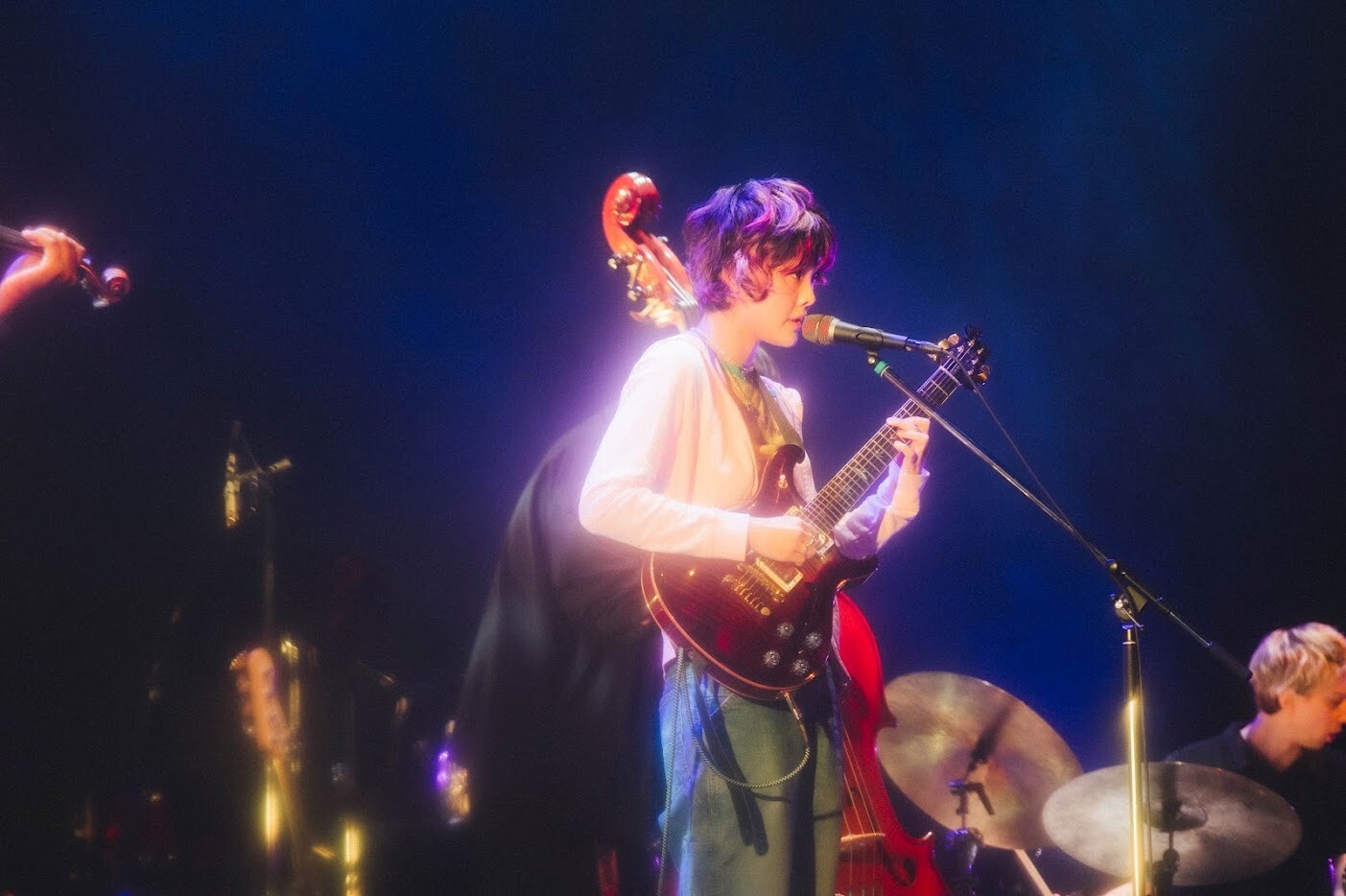
PRS: You’ve described your sound as “jazz-influenced indie J-pop.” Was there a moment or song when you thought, this is it; this feels like me?
Mei: The first song I wrote that I felt was representative of my sound was "Hfoas," which is also the first song I released (in 2020). I think what made the song feel like me was the stronger jazz influence, and that it had both English & Japanese lyrics.
PRS: When you sit down to write, does it usually start with a guitar part, a melody, or a feeling you’re trying to capture?
Mei: It depends on the song, but I think most often it’s a guitar part. Either some sort of melodic idea on the guitar or a harmonic idea I like, and then I expand that, and I write lyrics last. But occasionally I’ll write lyrics first or vocal melody first!
PRS: There’s a lot of space and subtlety in your arrangements. What are you listening for when you’re shaping a part?
Mei: I think a lot of it is thanks to my incredible band members — I leave most of the specific parts up to them. When it comes to the arranging process, what I think about most is dynamics, and making sure there is space when there should be space and density when it should be dense.
PRS: Do you remember your first time playing a PRS? What stood out?
Mei: The first time I played a PRS was at the Sweetwater headquarters in Indiana, I think, probably sometime in 2021. My dad had very kindly offered to get me a professional-level guitar since I was graduating from college the next year. We spent a full day at Sweetwater (probably about 8 hours or so) playing lots of guitars, and I happened to try the PRS McCarty 594.
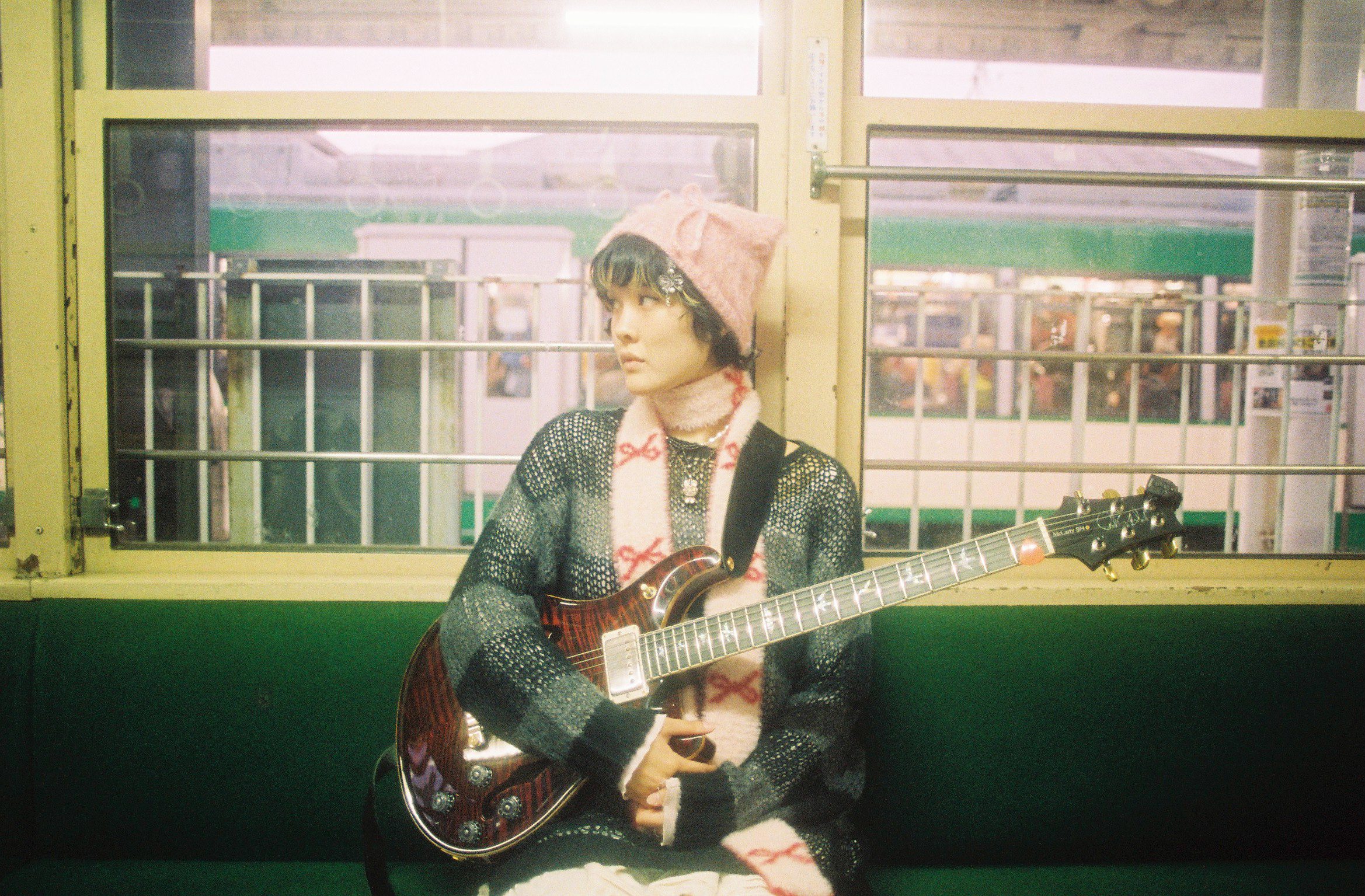
Photo credit- Alec Hirata
PRS: What do you need to feel from a guitar before you know it’s the right one for you?
Mei: I felt that the PRS McCarty 594 semi-hollow was right for me for 2 main reasons — how it felt to play and its sound. I remember when I played this guitar for the first time, it felt so comfortable. The shape of the neck fit perfectly with my hands, and the body felt like it fit with mine as well. And I loved the sound — the semi-hollow body gives it a nice warm tone that still cuts through clearly. It just felt really easy to play!
PRS: What do you love most about your PRS guitar in general?
Mei: I think what I love the most is the way it feels in my hands — it feels very natural and comfortable, and it fits well with my body. I also love the way it looks and how thin and light it is. I think it’s a beautiful guitar with a beautiful tone.
PRS: Your music moves between delicate moments and more dynamic ones. How does your guitar help you cover that range without overplaying?
Mei: I think it has a lot to do with right-hand technique! But I feel like it feels natural to control my dynamics with my PRS because it can produce both a really light and delicate sound as well as a fuller one, with a warm, round tone the whole time (which is what I prefer for my music).
PRS: Touring can change the way music feels. What excites you most about bringing these songs into a live setting right now?
Mei: I love playing new songs on tour because it gives us a chance to practice them and get better at them every night, and try new things in front of an audience. I like how the music changes over time, and I think it creates a special experience for the audience, too, when the live show is similar to the recording at its core, but still new in a different way every night.